
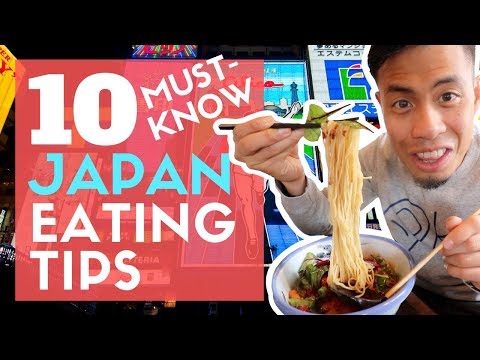
How to EAT JAPAN | 10 Must Know Food Tips No One Tells You
Practical advice for navigating Japanese dining etiquette, including sharing customs, meal customization, and common practices to enhance your experience and avoid misunderstandings.
0 places
Tips from the creator10
Is it okay to share food in Japanese restaurants?
Sharing food in Japan depends on the restaurant type. It's generally not okay at ramen shops or places with limited counter space and high turnover. Nicer sushi restaurants also expect individual orders. However, sharing is common and expected at Izakayas, family restaurants, fast food, and cafes.
Etiquette0:37Is it rude to leave food on your plate in Japan?
Yes, it's considered rude not to finish your main course in Japan. While sides might be an exception, leaving a significant portion of your main dish can be seen as impolite. If you're concerned about portion size, you can ask for less rice or noodles.
Etiquette2:30Can I customize my meal at a Japanese restaurant?
Customizing meals is not common in Japan, as it's often seen as offending the chef. While high-end restaurants might accommodate allergies, most establishments, especially casual ones, follow strict recipes. It's best to research vegan or vegetarian-friendly restaurants beforehand.
Food3:18Are Japanese vegetarian or vegan dishes truly meat-free?
Many Japanese dishes, even those appearing vegetarian, often use broths containing meat or fish. Japanese staff may not fully understand Western dietary restrictions like 'vegan' (some might even ask if fish is okay). It's crucial to research restaurants that explicitly advertise vegan menus.
Food5:02What does 'Itadakimasu' mean before a meal in Japan?
'Itadakimasu' is a common Japanese phrase said before eating, literally translating to 'I humbly receive.' It's a cultural practice taught from childhood, not necessarily for spiritual reasons, but a way to show appreciation for the food. Saying it can help you blend in with locals.
Etiquette5:51Should I order a drink at Japanese restaurants?
Yes, at dinner, it's generally expected to order a drink, whether alcoholic, soda, or tea. Ordering only water might be seen as unusual, though not strictly rude. To blend in, ordering a beverage is recommended.
Etiquette6:22Is slurping noodles rude in Japan?
No, slurping noodles or soba in Japan is completely acceptable and not considered rude. Contrary to popular belief, it doesn't necessarily signify enjoyment to the chef, but is simply a common practice among Japanese people.
Etiquette7:11Can I get a takeout box for leftovers in Japan?
Takeout boxes are not common in Japan, except at fast-food establishments. Portions are typically smaller, so there's usually less leftover food. Don't expect to receive a 'doggie bag' for your unfinished meal.
Food7:39What should I do with my plates and trash after eating at fast-food or ramen shops in Japan?
At fast-food restaurants and ramen shops, you're expected to clear your own plates and dispose of trash. This often involves a detailed sorting process for liquids, plastics, paper, and other items. For ramen, it's good practice to return your bowl to the counter or designated return area.
Etiquette8:20How should I pay at restaurants in Japan?
Many Japanese restaurants require you to pay at the register, not at your table. It's common to place your money or credit card on a small tray provided at the register, as some Japanese prefer not to exchange money directly by hand. While not always strictly enforced, using the tray is a safe practice.
Money8:56