
@Abroad in Japan
Why Kyoto's Traditional Homes Are Going EXTINCT

Why Kyoto's Traditional Homes Are Going EXTINCT
Explore Kyoto's traditional Machiya townhouses, understanding their unique characteristics and why these stunning homes are disappearing, with a stay in a renovated one.
2 places
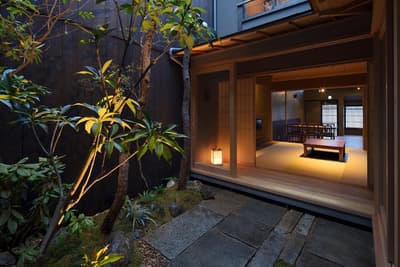 1Kyoto Machiya (Risshisha Group)Hotel · Kyoto4.5 (13)Masarigusa Machiya, 109 Okikucho, Sakyo Ward, Kyoto, 606-8376, Japan
- Hinoki wooden bath — A beautiful bathing room featuring a hinoki (Japanese cypress) wooden bath. Hinoki wood is known for its high quality, durability, and a refreshing, sweet scent (though the creator notes it doesn't quite smell like lemons). It's perfect for bathtubs and onsen, and the creator attests to its magnificence, preferring it over generic plastic bathtubs.
- Zen garden — A small, private zen garden visible from the living area, offering a nice indoor-outdoor connection and a slice of nature and peace even in the city center. It also helps with ventilation, allowing air to pass through the house.
- Balcony — A nice outdoor balcony, a rare feature for a traditional townhouse, offering views across to other Machiya and a sense of stepping back into the Edo era. It's a great spot to appreciate the traditional roof tiles.
- Washer and dryer — A convenient washer and dryer, highlighted as a real bonus for travelers looking to do laundry during their stay.
- Koshi wooden lattices — Ubiquitous wooden lattices (koshi) found on the exterior of most Machiya. They evolved as a security measure during the 1400s and later became popular for providing privacy from passersby on narrow streets.
- Eel's nest layout — Machiya are often referred to as 'unagi no nedoko' or 'eel's nest' due to their narrow fronts and deep, thin interiors. This style originated in the Edo era when property taxes were based on the width of the building's front, leading residents to build shops at the front and homes towards the back.
- Skylights — Common features in larger Machiya, skylights not only provide natural lighting but also help cool the rooms in summer by releasing heat, contributing to the house's natural ventilation.
- Natural materials — Machiya adhere to natural materials, from wooden timber to tatami straw mats, which give a warm glow to the interior and reflect soft light through the paper shoji sliding doors. These materials resonate with the senses to create a feeling of calm.
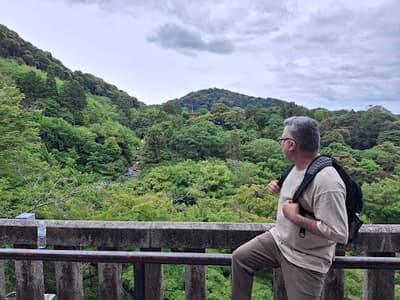 2Kiyomizu-dera TempleBuddhist temple · Kyoto4.6 (72,172)Closed · opens tomorrow 6 AMKiyomizu-dera, 1 Chome-294 Kiyomizu, Higashiyama Ward, Kyoto, 605-0862, JapanCreator's voice