
@Business Insider
Why Ceremonial-Grade Matcha Is So Expensive | So Expensive | Business Insider
Why Ceremonial-Grade Matcha Is So Expensive | So Expensive | Business Insider
Explore the meticulous, year-long process behind ceremonial-grade matcha at a 180-year-old tea farm in Uji, Japan, revealing why this high-quality tea commands its premium price.
1 place
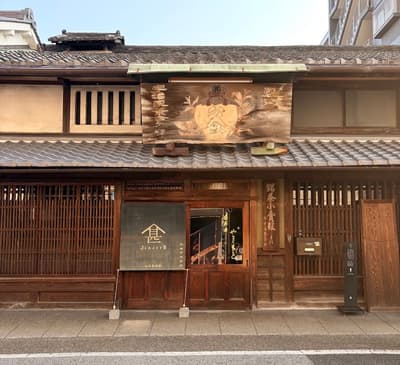 1Yamamoto Jinjirou Tea FarmTea store · Uji4.9 (97)Open · until 3 PMJinjiro Tea Shop, Myoraku-36 Uji, Kyoto 611-0021, JapanCreator's voice
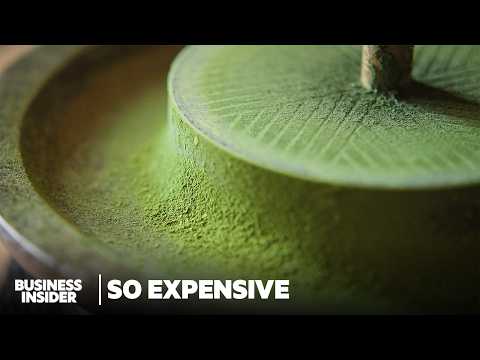
- Ceremonial-grade matcha · 20 times more than pale green matcha (stated relative cost) — The highest quality matcha, characterized by its bright jade green color, smooth, complex flavor, and central role in Japanese tea ceremonies. It's made from the very first leaves of the tea plant, which are shaded for 30-40 days (double the recommended time) and harvested only once a year. The slow grinding process in a stone mill preserves its nutrients and fine, glossy texture. This matcha contains higher levels of catechin and chlorophyll.
- Rice straw shading method — A traditional and extremely rare method used by Jintaro Yamamoto to shade tea plants for 30-40 days before harvest. This extensive shading prevents bitterness, preserves flavor, and gives the leaves a bright green color, contributing to the high quality of ceremonial-grade matcha. Most farmers now use plastic nets.
- 97-year-old furnace — An antique furnace used at Jintaro Yamamoto's farm for drying tea leaves after steaming. This specific drying method imparts a unique roasted aroma to the leaves, a distinctive characteristic of their ceremonial-grade matcha.
- Stone mill · $1300+ — A traditional granite stone mill, entirely hand-carved, used for grinding ceremonial-grade matcha. It grinds counterclockwise, producing a fine powder that preserves the leaf's nutrients but is very slow, taking an entire hour to grind just 40 grams of matcha. One mill can cost over $1,300. Jintaro grinds it twice before selling to ensure fragrance.