Japan · mapped by creators
FukushimaFukushima vibes
Explore by area · Fukushima
Experiences · Fukushima
Everything creators found in Fukushima
Kutsurogijuku Shintaki Parking Lot

Gaburi Garden Kaju Orchards
Aizu-Wakamatsu Station

Ramen Jiro Aizuwakamatsu Station Restaurant

Kogaikuni Shrine

Daikokudoshiunkaku Takizawahoru

Koike Confectionery Iimoriyama

Sazaedo Temple

Iimoriyama

Higashiyama Onsen Mukaitaki

Higashiyama Onsen Shooting Range

Kutsurogijuku Chiyotaki

Yukkura Inn

Tonoguchi Weir Cave

Fukushima Racecourse

Suehiro Sake Brewery
 @Patricia in Tokyo
place
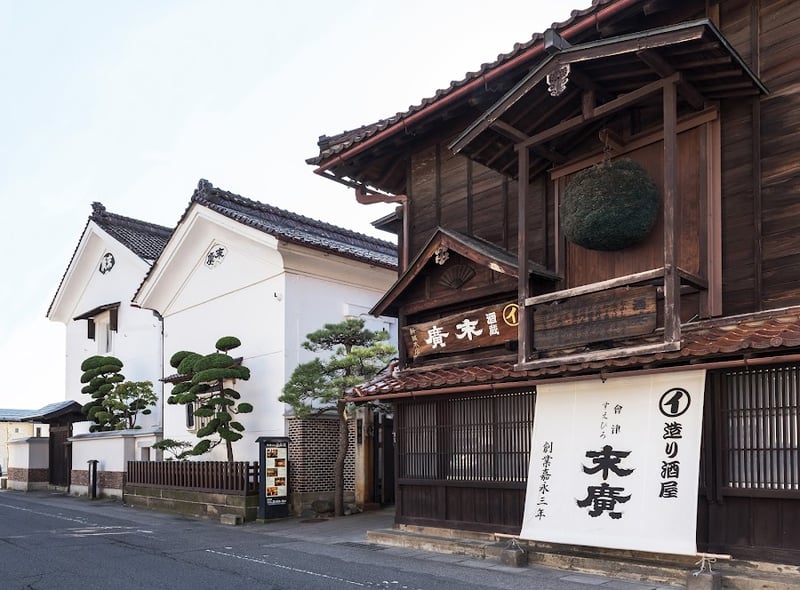
Suehiro Sake Brewery
Fukushima is Japan's top award-winning region for sake, and this brewery, established in 1850 (Edo period), produced a gold medalist sake in 2025. They offer free daily tours in both English and Japanese, including free samples.
Google MapsMoni Nite Ryokan
 @Patricia in Tokyo
place
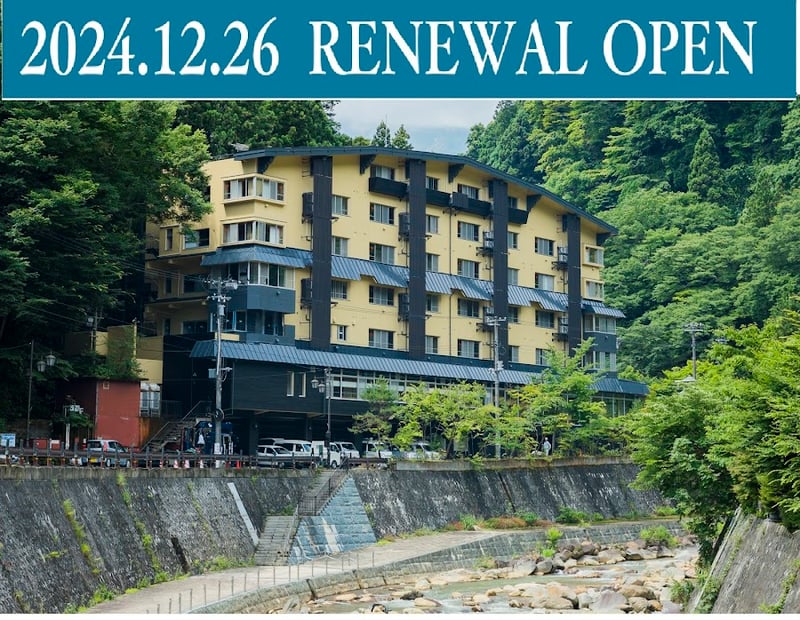
Moni Nite Ryokan
A traditional ryokan with 60 years of history, offering a completely different experience from a modern hotel. Rooms are named, not numbered, indicating a higher level of service and luxury.
Google MapsAshinomaki Onsen
 @Patricia in Tokyo
Akabeko Workshop
 @Patricia in Tokyo
place
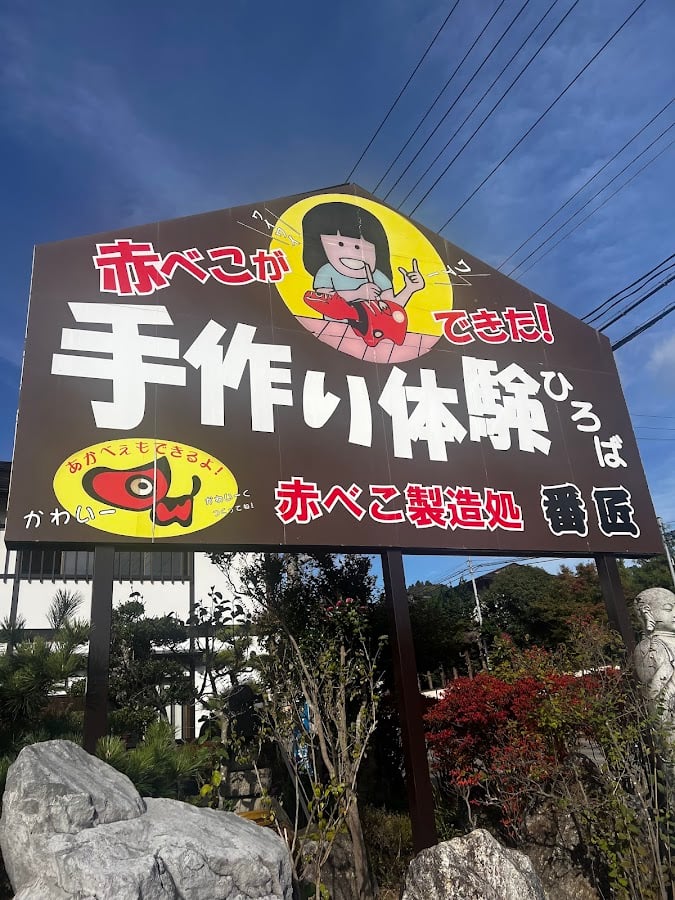
Akabeko Workshop
A workshop located in an old-fashioned house where you can make your own akabeko, a traditional red cow folk toy believed to bring good luck and health. The owner lives there and has converted part of his living space into a workshop.
Google MapsTonte
 @Patricia in Tokyo
place
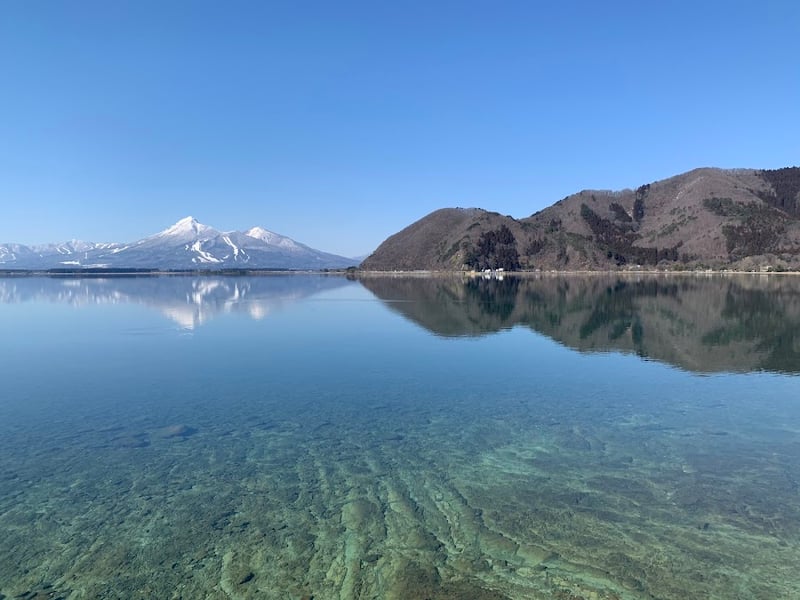
Tonte
A restaurant specializing in Fukushima's famous sauce katsudon, known for using local ingredients from Aizu, such as Koshihikari rice and cabbage. It's a popular spot, evidenced by celebrity signatures at the entrance.
Google MapsRinkaku Teahouse
 @Patricia in Tokyo
place
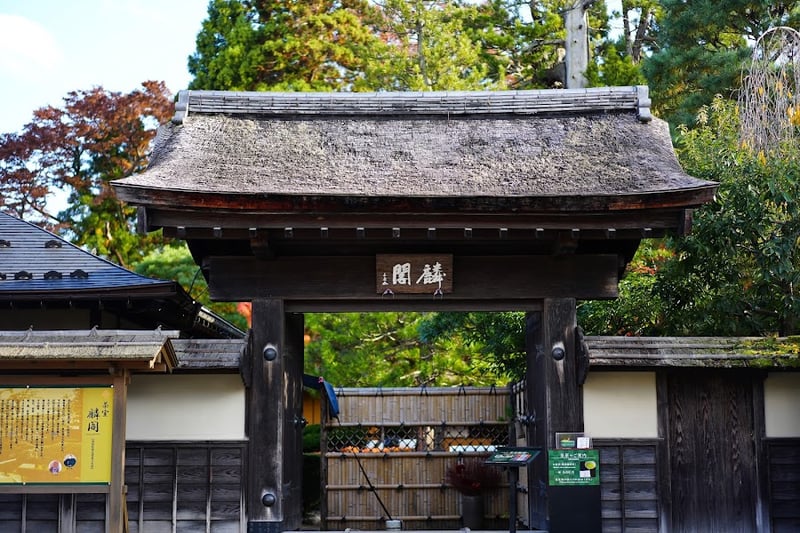
Rinkaku Teahouse
A historic teahouse built for the son of Sen no Rikyu, Japan's most influential tea master, as a hideout. It's believed that without this teahouse, the tradition of matcha ceremony might not have existed. The materials used are original, re
Google MapsTsuruga Castle
 @Patricia in Tokyo
place
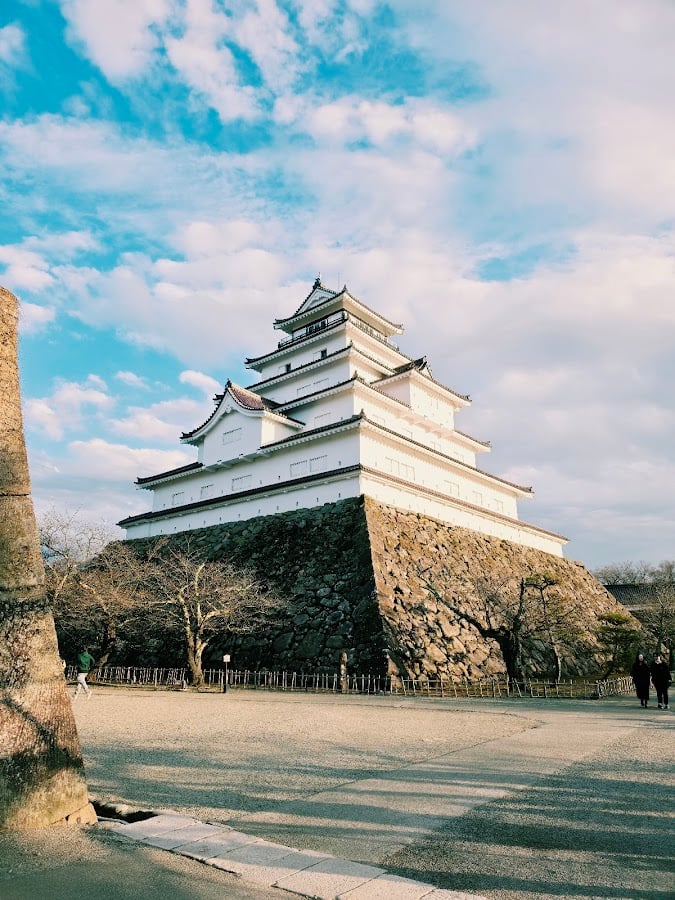
Tsuruga Castle
A monument with intense history, symbolizing the samurai spirit. It was the site of a month-long siege during the Boshin War, where the Aizu clan remained loyal to the samurai era until the very end. The castle withstood heavy bombing and w
Google MapsAizu Higashiyama Onsen
 @Patricia in Tokyo
place
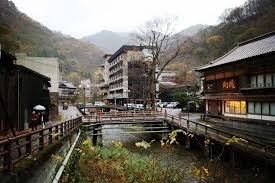
Aizu Higashiyama Onsen
A hotel known for its daiyokujo (large public bath), specifically a rooftop bath that overlooks the city. Guests can choose their own yukata designs from the lobby.
Google MapsMisoya Soba Restaurant
 @Patricia in Tokyo
place
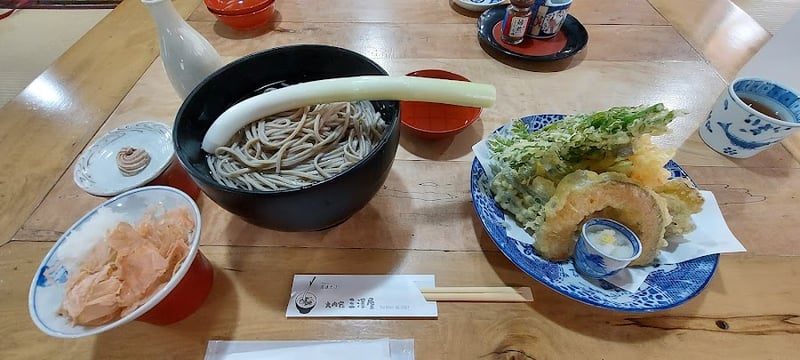
Misoya Soba Restaurant
A popular soba restaurant known for its unique twist: serving soba noodles with a whole naganegi (long green onion). They also offer takeout bags for customers to take home unfinished leeks.
Google MapsOuchijuku
 @Patricia in Tokyo
place
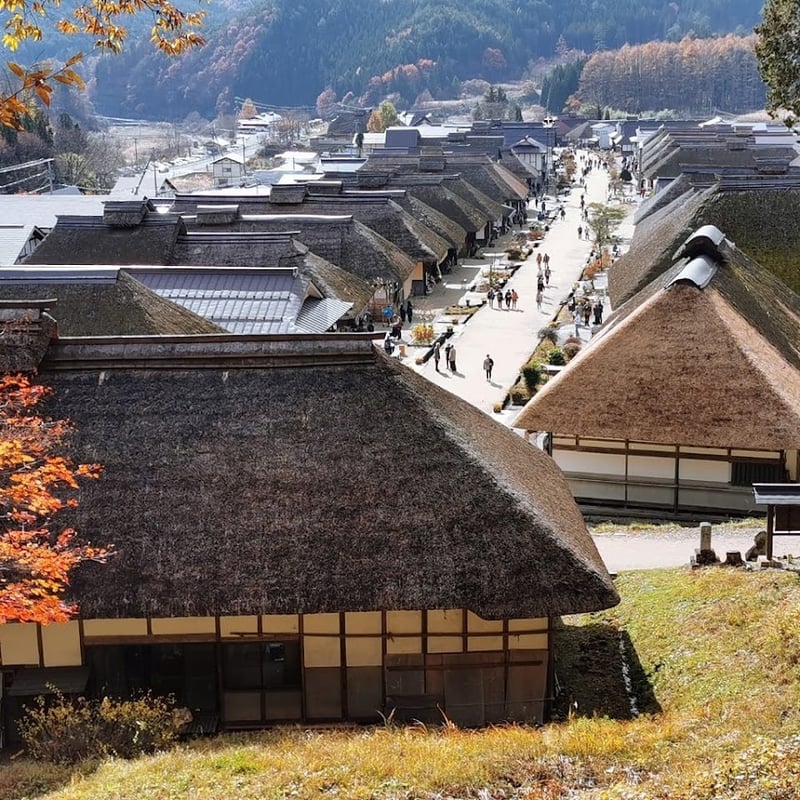
Ouchijuku
A traditional village that once served as a stopover for travelers between Aizu and Nikko. It's now a single street lined with souvenir shops, street food stalls, and restaurants, offering a glimpse into old Japan.
Google Maps